
Featured Posts
View all posts
Oct 01,2020
The Michigan Historical Review Reviews
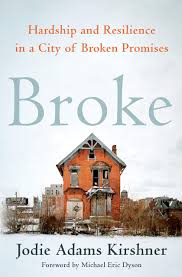
Broke: Hardship and Resilience in a City of Broken Promises

Aug 28,2020
Jodie Kirshner Awarded Tillie Olsen Award
Mar 03,2020
‘Broke’ Shortlisted
for J. Anthony Lukas Book Prize

Feb 25,2020
Kirshner and ‘Broke’ Featured on BBC World

Feb 03,2020
Kirshner Discusses ‘Broke’ on C-SPAN

Jun 22,2016
Jodie Adams Kirshner Joins NYU Marron Institute
with Funding Support from the Kresge Foundation
Featured Press Posts
View all press posts
The New York Times
Press
/ Feb 03,2020
‘Broke’ Selected as New York Times Editors’ Choice

NPR
Press
/ Dec 09,2019
‘Broke’
How Detroit Residents Maneuvered The City's Bankruptcy
The New York Times
Press
/ Nov 20,2019
‘Broke’ Chronicles a City Out of Cash
and Awash in Desperation
Leader: Jodie Adams Kirshner

Jodie Adams Kirshner
Research Professor / Director's Office Labs