For decades cities hardly every went bankrupt. Until the Great Depression bankruptcy procedures did not even exist for cities, and between 1970 and 2007 only three cities entered bankruptcy. Those cities had small populations and used the bankruptcy process to address isolated setbacks like the loss of a large lawsuit or a natural disaster.
Historically, instead of declaring bankruptcy, cities received more support from higher levels of government. In 1944 Franklin Delano Roosevelt touted in a fireside chat the interdependency of “all groups and sections of the population of America” and proposed a second bill of rights that committed the federal government to the provision of good jobs, housing, and education. In 1966, after the Great Society programs directed further federal aid to cities, Robert Kennedy testified before Congress, “To speak of the urban condition is to speak of the condition of American life. To improve the cities means to improve the life of the American people.” In 1975 New York State advanced money to New York City and helped the city by backing local bonds with state tax revenues. In 1978 after Cleveland defaulted on some debt, Ohio lent it money.
But as voters moved to the South, the West, and city suburbs politics changed. Assistance to cities peaked in 1978, the same year Jimmy Carter said in his State of the Union address, “Government cannot eliminate poverty or provide a bountiful economy or reduce inflation or save our cities or cure illiteracy or provide energy.” Between 1980 and 1988, during Reagan’s presidency, total intergovernmental aid to cities fell by half.
Mandatory balanced budget rules forced states to reduce funding to cities. Lacking support from federal and state governments to meet urgent obligations, cities turned to the bond markets, subjecting themselves to market volatility. The recent financial crisis revealed the unsustainable position of cities that resulted from the risk and leverage they acquired. During the crisis governmental support continued to fall, leaving cities without a buffer against the market downturn.
Meanwhile demands for social services in cities increased. In order to maintain solvency cities turned to the limited options available to them: reducing services, raising taxes and user fees, borrowing more money by issuing municipal bonds, and competing for private investment by offering tax deals and incentives to companies. Not all cities had the capacity to stabilize their budgets through these actions.
Bankruptcy offered federal and state governments a way to avoid bailing out the cities that lacked the capacity. Politicians branded municipal budget shortfalls as the fault of entitled municipal workers and retirees and reckless borrowing by municipal leaders. In 2012 Stockton, California, became the then-largest city to file for bankruptcy, and the bankruptcy process rewrote Stockton’s union contracts. By the end of 2012 three more California cities had filed for bankruptcy, and nine more had declared financial emergencies.
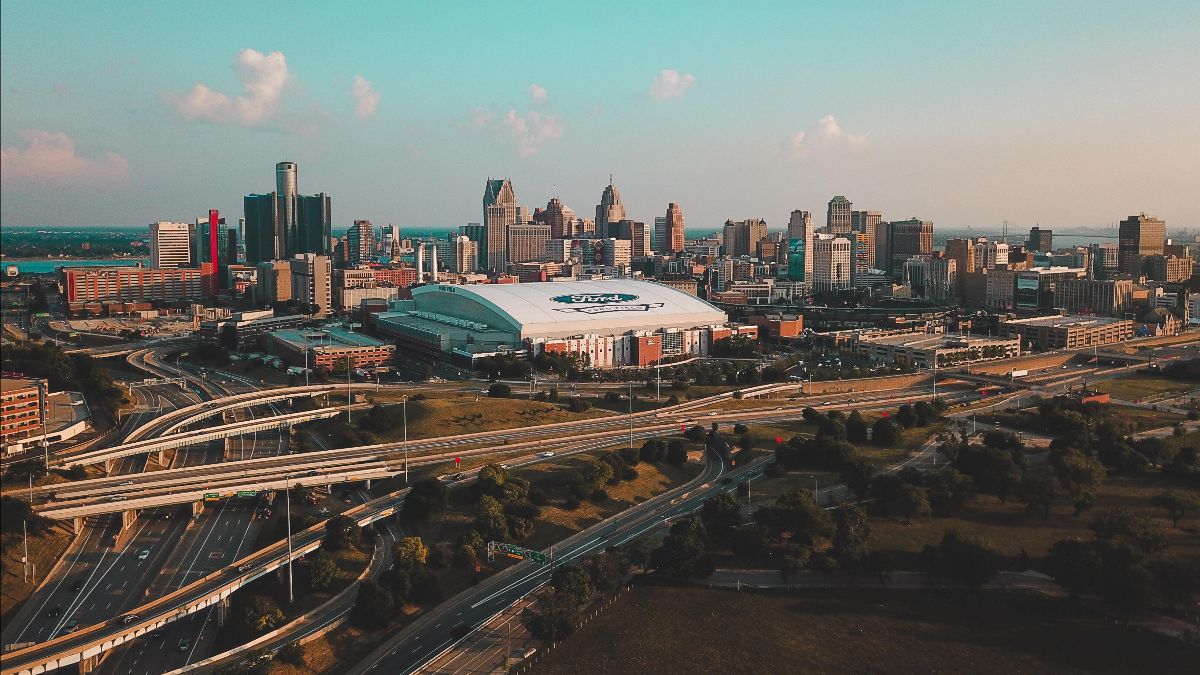
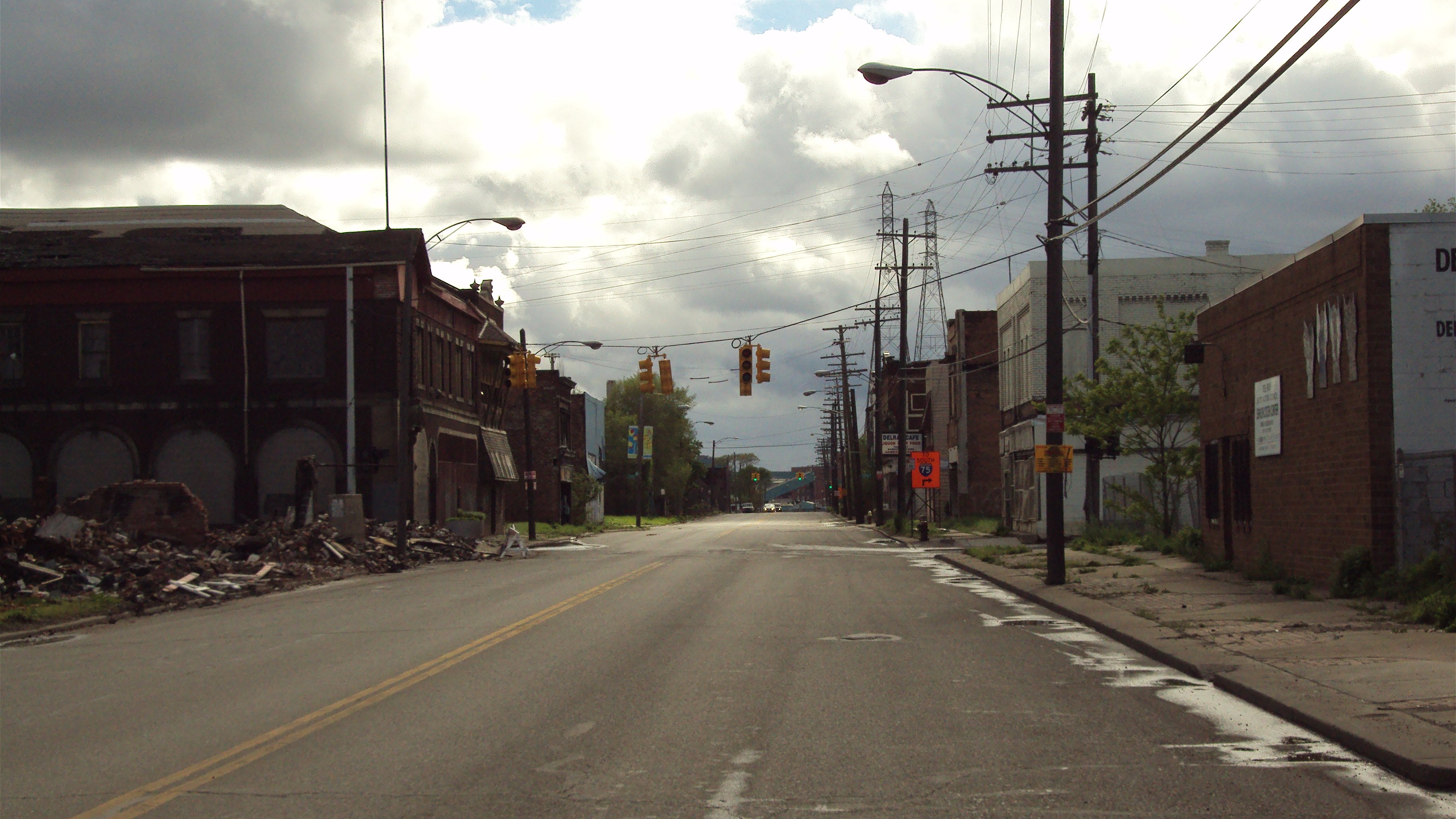
In 2013 Detroit broke Stockton’s record and assumed the mantle of the largest city ever to enter bankruptcy. Detroit became emblematic. The problems Detroit confronted paralleled problems in many other American cities. Though a few unique cities have attracted the optimal industries and population to win the spoils of the modern economy, many cities have failed to manage persistent unemployment, stagnant wages, and rising inequality. Without outside help from their state and local governments, more than 70 American municipalities since 2007 have entered bankruptcy and been forced to write down their debt on their own. Several hundred more cities now struggle on the brank of default and are shrinking public payrolls, cutting services, and selling public lands. Cities have suffered the brunt of mortgage foreclosures and declining property values and have generally been home to the largest numbers of poor and marginalized Americans, those most dependent on public services.
Though Detroit is often described in terms of the population that it has lost, more than 700,000 people still live there, persevering in the face of high taxes, struggling schools, and scarce jobs. The people in Detroit, more than 35 percent of whom fall below the poverty line, are bravely making do. The Distressed Cities Program evaluates the impact of municipal bankruptcy on individuals’ futures. Those futures hold a mirror to America’s.
Read More Here