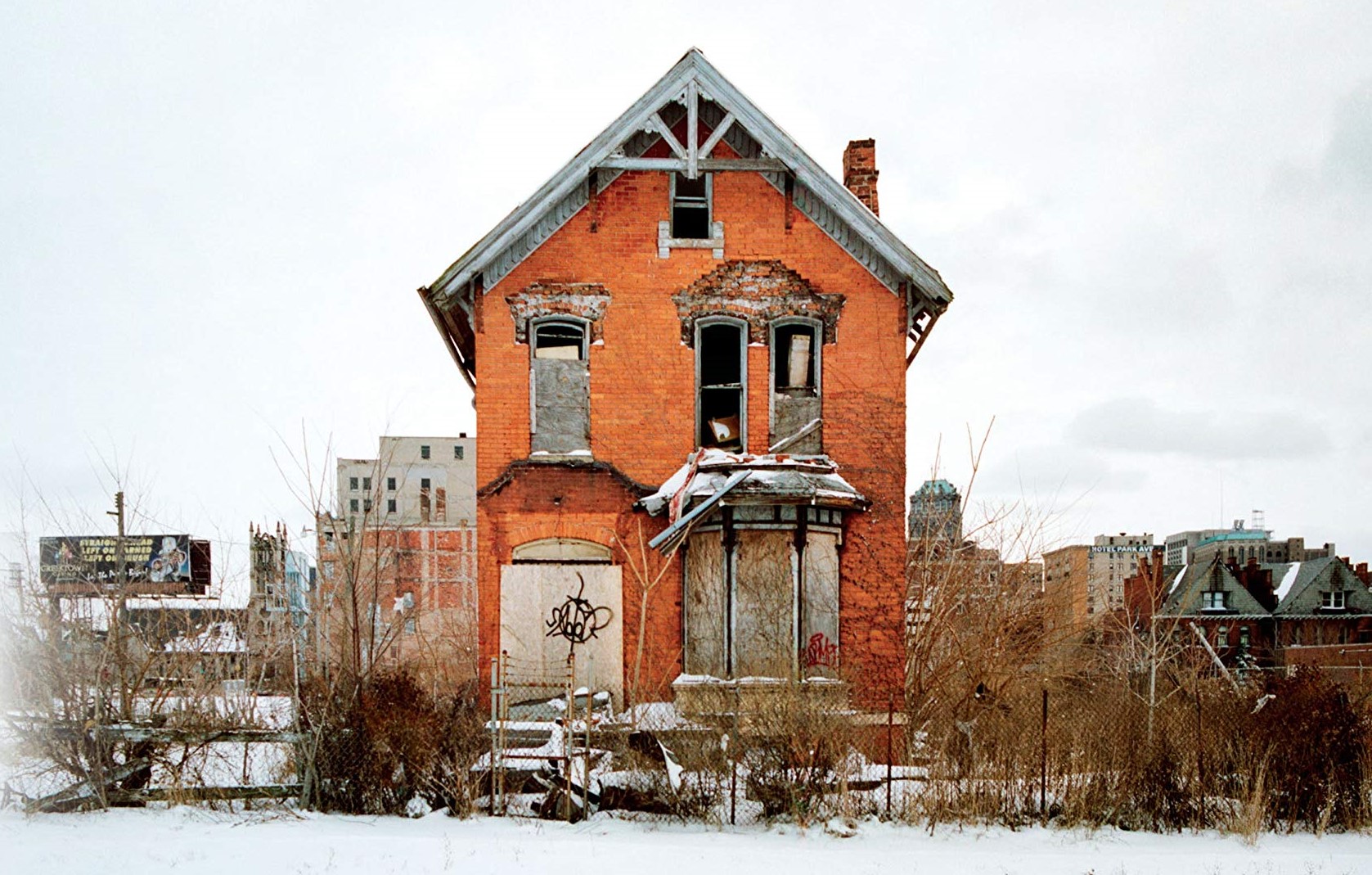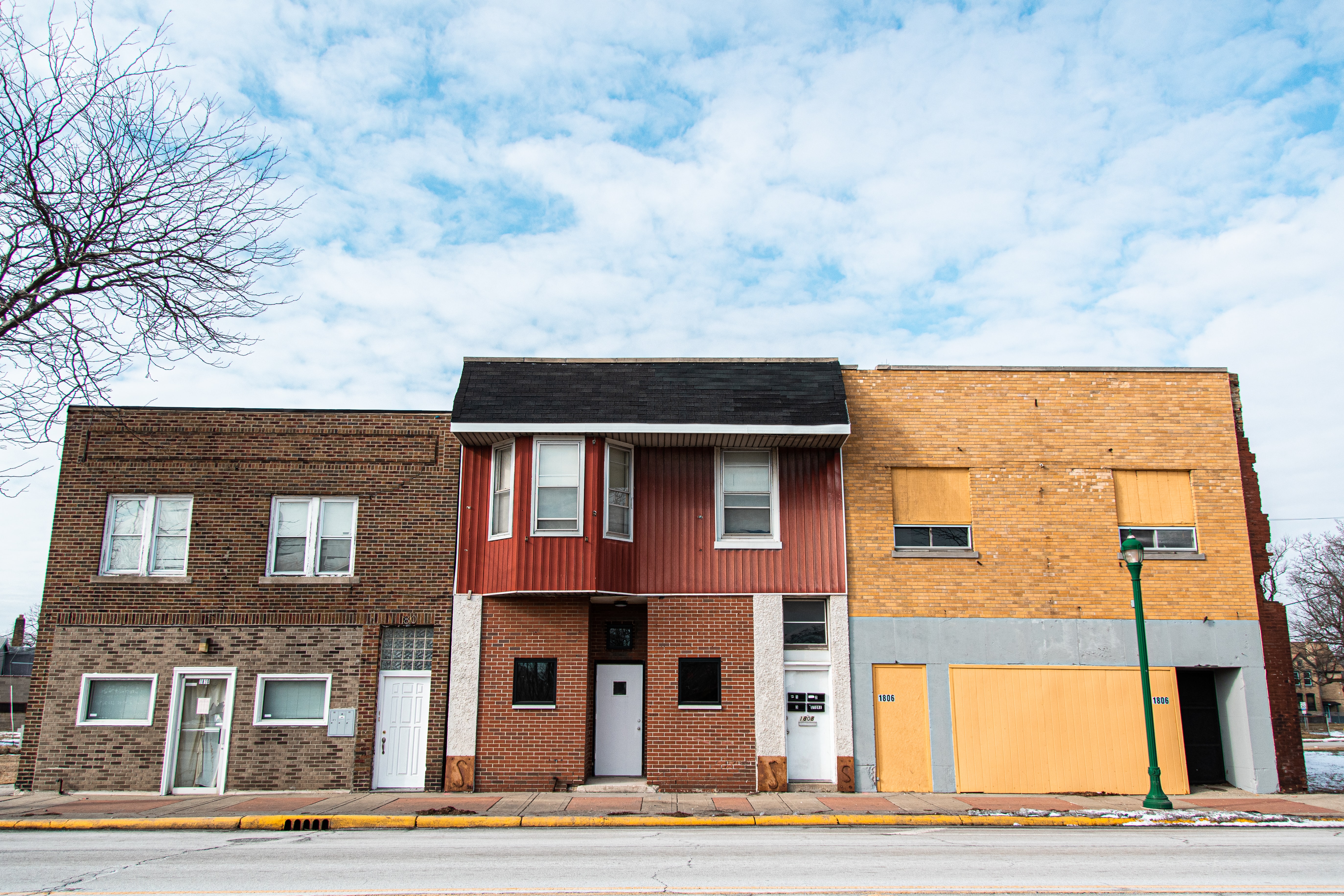
We consider America a place of opportunity, but increasingly, the city where we live determines the level of those opportunities. A map of the country shows a spiky and uneven terrain. Innovation hubs with educated population have gained spectacular wealth. Other cities have not weathered deindustrialization, automation, or the recent financial crisis. Cities with large populations of historically disadvantaged racial and ethnic groups, low educational attainment, and heavy reliance on nearly obsolete industries have not adapted to changes in the global economy.
A majority of Americans live in cities. Cities provide the economic engine of America and are a depository of its culture. But the country cannot prosper if some of its cities are decaying. Stabilizing cities’ futures depends on expanding opportunity for individual urban residents.
Even the resurgent popularity of a handful of cities across the country has not helped areas of cities afflicted with concentrated poverty. Residents in those neighborhoods often lack the skills to participate in an economy evolving in new ways. They have needed more help transitioning to the new economy that is leaving them behind.
Meaningful economic progress for urban residents would translate into cities’ progress. Homeownership, for example, strengthens the fabric of neighborhoods, stabilizing property values and contributing to the tax base. Education and training attract employers, increase civic participation, and reduce crime. Entrepreneurship creates jobs, expands needed services, and generates tax revenues.
Relationships between where a child grows up, his race, and his financial prospects should not be immutable. Urban policies can improve outcomes. Moving the needle on expanding individual opportunities demands grounding in the lived experiences of local, urban communities. The Economic Mobility program is committed to gathering first-person evidence from underrepresented, and too-often voiceless populations, in order to inform and craft policies that benefit urban populations and address individual needs.
Equalizing individual opportunities in areas including housing, education, and access to education matters for the future of cities.
Read More About Jodie Adams Kirshner
Learn More About Broke
Watch a Video About Broke